From personal invitations to community announcements, AI-assisted visuals are becoming another option for people who need clear, useful images without a full design workflow.
As image-generation tools become more accessible, everyday creators are finding practical uses beyond experimental artwork. A family recipe collection, a book-club announcement, or a small community event can all benefit from a visual that communicates a specific idea. For creators using Dreamina, Seedream 5.5 is one option for exploring these concepts, but the usefulness of any generated image still depends on planning, editing, and careful review. The platform also integrates SeedAudio 1.5 for audio generation, giving creators an option when a visual project needs a sound component.
The development reflects a broader shift in how people approach small creative tasks: rather than treating every visual as a professional design commission, they can start with a simple brief, explore several directions, and finish the image in an editor. This does not remove the need for judgment. It changes where the first draft comes from.
Practical uses beyond decorative artwork
Everyday image projects have distinct requirements. An invitation needs clear space for event details. A recipe illustration should show recognizable food and ingredients. A reading-group graphic might need a consistent palette and a legible title. For each of these uses, the best result is not necessarily the most detailed image; it is the one that helps the intended audience understand the message.
A useful starting brief identifies the audience, where the image will appear, and the single element viewers should notice first. Someone preparing a neighborhood seed exchange announcement, for example, might describe two seedling pots on a table in warm daylight, with generous blank space for the event information. The date, address, and other facts can be added afterward as editable text.
Why the brief still matters
A vague request such as “make something beautiful” leaves too many decisions to the image generator. A more concrete description specifies the subject, setting, composition, and visual mood. For a reading-journal illustration, that might mean an open book by a window, soft morning light, muted colors, and an uncluttered background.
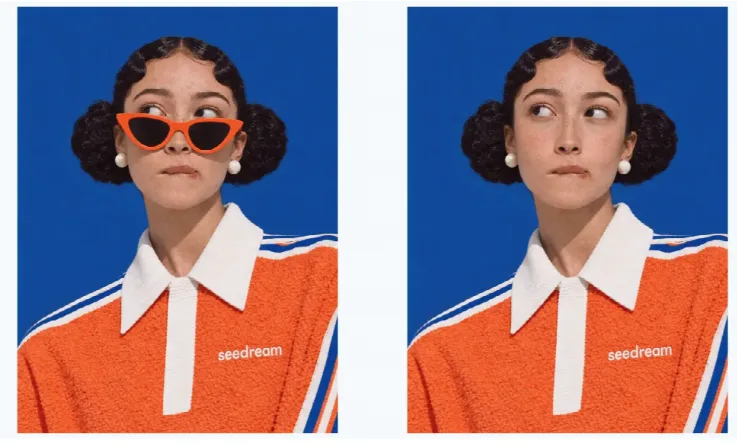
With Seedream 5.5, creators can use an initial image to assess what needs improvement, then refine one issue at a time. Moving the main subject lower in the frame, simplifying the background, or increasing contrast around the focal point are more actionable revisions than repeatedly asking for a “better” result. Comparing a few controlled variations can also help users identify a style that suits the project.
Different formats call for different images
A square social post, a vertical story, a wide presentation slide, and a printed invitation do not share the same composition. A strong central subject in one format may be cropped awkwardly in another. Keeping a clean master version and preparing separate exports for important destinations can prevent avoidable layout problems.
This is especially relevant for people creating a series of related visuals. A personal reading journal or recurring hobby-group announcement may benefit from a limited palette, similar spacing, and a consistent level of detail. Repeating these principles creates continuity without requiring every image to look identical.
Accuracy and permissions remain essential
Generated images may include inaccurate lettering, unusual object details, or scenes that could be mistaken for real photographs. Before publishing, creators should inspect the final export at its intended display size and verify anything factual. Event times and locations should come from an approved source, not from the image generator. Images representing real products should be checked against the actual items.
Privacy is another consideration. Uploading photographs of children, friends, or private settings may not be necessary when an illustration made from objects or an imagined scene would communicate the same idea. Where a generated scene could be confused with documentation of a real event, a short disclosure can help avoid misunderstanding.
A measured role for AI in creative work
For many small projects, AI-generated imagery is most useful as a starting point rather than a finished publication asset. A clear brief, a few focused revisions, and a final human review can turn an initial concept into something more practical. The goal is not to automate personal taste, but to give people another way to express ideas they already care about.
For creators considering tools such as Seedream 5.5, the central question remains straightforward: does the final image make the intended message clearer, more recognizable, or easier to share?
Contact Person : Huan
Email : xiaohuan2004@hotmail.com
Company Name : Huan