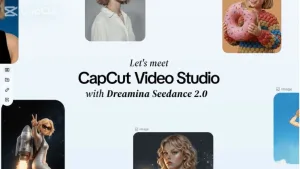
Artificial intelligence is changing the way digital content is created, and audio production is one of the areas experiencing some of the most interesting developments. From voice generation and narration to creative sound experiences, AI-powered technologies are giving creators new ways to produce content quickly and efficiently. What once required professional recording equipment, voice actors, and extensive editing can increasingly be supported by intelligent digital tools.
Seedaudio 2.0 is part of this growing movement toward more advanced AI audio creation. As creators look for faster and more flexible ways to develop voice-based content, technologies like this can provide new opportunities for experimenting with speech, narration, and digital storytelling.
Whether someone creates videos, educational material, advertisements, podcasts, or social media content, AI audio can become an important part of the modern creative workflow.
What Is Seedaudio 2.0?
Seedaudio 2.0 refers to an advanced generation of AI-based audio technology designed around the possibilities of intelligent speech and sound creation. The broader purpose of systems like this is to simplify the process of turning ideas and written material into engaging audio.
Traditional audio production often involves several stages. A creator may need to write a script, find a suitable voice, record the material, remove unwanted sounds, edit mistakes, and synchronize the recording with other content. Each step can take considerable time, especially when producing content regularly.
AI-powered audio technology can streamline parts of this workflow. Instead of relying entirely on manual recording, creators can explore automated approaches to generating speech and developing audio content.
Why AI Audio Generation Is Becoming Important
The demand for digital content continues to grow across websites, social media platforms, video channels, online learning platforms, and business communication. With this growth comes the need for efficient content production.
Audio is particularly important because it can make digital content more engaging. A well-produced voiceover can explain a complicated topic, add personality to a video, or make educational material easier to consume.
However, recording high-quality audio can be difficult for creators who do not have professional equipment or experience. AI audio technology provides an alternative approach by helping users generate speech without going through a traditional recording process for every project.
This can be especially useful for individuals and small teams that need to produce content consistently while working with limited resources.
Natural-Sounding Speech and Better Expression
One of the biggest challenges in AI-generated audio has always been making speech sound natural. Early text-to-speech systems often produced voices with noticeable robotic characteristics. Modern AI development is focused on improving pronunciation, rhythm, pauses, tone, and overall expression.
This evolution matters because listeners are more likely to remain engaged when generated speech feels natural.
The quality of an AI-generated voice depends on more than simply pronouncing words correctly. The delivery should also match the context. A tutorial may require a calm and informative tone, while promotional content may benefit from a more energetic delivery.
Advancements associated with technologies such as Seedaudio 2.0 reflect the industry’s broader effort to make generated audio more expressive and useful for different creative purposes.
Seedaudio 2.0 for Video Creators
Video creators constantly need fresh ideas, scripts, narration, and supporting audio. Producing these elements manually can make the content creation process lengthy.
AI-generated audio can simplify narration workflows by allowing creators to work from written scripts. This can be helpful for explainer videos, tutorials, product demonstrations, educational clips, documentaries, and social media content.
For example, a creator could prepare a detailed script before developing the visual portion of a video. An AI-powered audio workflow can then help transform the script into narration, giving the creator a foundation for the final production.
Creators interested in experimenting with AI-assisted audio and discovering Seedaudio 2.0 can use Dreamina as part of their exploration of modern creative technologies.
Applications in Education and E-Learning
Education is another field where AI-generated audio can provide practical advantages. Online learning has become increasingly popular, and students consume lessons through videos, presentations, interactive courses, and audio-based materials.
Teachers and course creators can use AI narration to make written educational material available in an audio format. This can provide students with another way to review information.
For example, lengthy explanations can be transformed into spoken lessons that learners can listen to while traveling or completing other activities. Audio can also support language-learning content where pronunciation and listening practice are essential.
The ability to quickly produce narration may allow educators to spend more time improving lesson structure and educational quality rather than repeatedly recording the same material.
AI Audio for Marketing and Advertising
Businesses are also exploring new ways to incorporate AI into marketing workflows. Voiceovers can be used in product advertisements, promotional videos, social media campaigns, presentations, and brand content.
Creating multiple versions of marketing material traditionally requires additional recording sessions. When a script changes, even a small adjustment may require a voice actor to record another version.
AI-generated audio can make this process more flexible. Teams can experiment with different scripts and styles before selecting the version that best fits their campaign.
This does not necessarily mean traditional voice talent becomes irrelevant. Instead, AI can provide another production option for situations where speed, experimentation, or scalability is important.
Creating More Accessible Digital Content
Audio technology can also contribute to digital accessibility. Not everyone prefers to consume information through written text, and spoken content can provide an alternative method of accessing information.
Websites, educational platforms, applications, and content creators can explore audio-based experiences to reach audiences with different preferences.
AI-generated narration can make it easier to produce spoken versions of certain content without requiring a separate recording process for every piece of material.
As digital accessibility becomes increasingly important, flexible content formats can help creators communicate with broader audiences.
Benefits for Independent Creators
Large production teams may have access to professional studios, editors, and voice talent, but independent creators often work with smaller budgets and limited resources.
AI audio tools can help reduce some of the technical barriers associated with audio production. A creator working alone can potentially develop narration and voice-based content without building a complete recording setup.
This can be particularly useful for YouTubers, bloggers, freelancers, educators, and social media creators who need to publish regularly.
The most effective approach is to treat AI as a creative assistant rather than relying on it for every decision. Human creativity remains important for scripting, storytelling, editing, and understanding the audience.
How AI Audio Fits Into Modern Content Workflows
The real value of AI audio technology comes from how easily it can fit into an existing creative process.
A typical workflow may begin with research and script development. Once the script is ready, creators can explore AI-generated narration, review the output, make necessary adjustments, and combine the audio with visuals.
This process can reduce repetitive work while allowing creators to focus on the creative aspects of their projects.
For businesses producing large amounts of content, a more efficient audio workflow can also improve consistency. Marketing teams, for example, may need to create numerous videos for different campaigns and platforms.
AI-assisted production can help them move from an initial idea to a finished piece more efficiently.
Things to Consider When Using AI-Generated Audio
Despite its advantages, AI-generated audio should still be reviewed carefully before publication. Pronunciation errors, unnatural pauses, incorrect emphasis, or unsuitable tone can affect the quality of the final content.
Creators should listen to the complete output and make adjustments whenever necessary. The context of the content also matters. A voice suitable for entertainment may not be appropriate for a corporate presentation or educational course.
Responsible use is another important consideration. Creators should understand the policies and permissions associated with the voices and content they use. Maintaining transparency and respecting intellectual property can help ensure that AI-assisted production remains ethical.
The Future of AI Audio Technology
The development of AI audio is likely to continue rapidly. Future systems may offer more natural speech, improved emotional expression, better multilingual capabilities, and greater control over voice characteristics.
Real-time audio generation could also become increasingly useful. Imagine interactive applications that can respond to users with natural-sounding speech or digital characters that communicate dynamically within games and virtual environments.
These possibilities demonstrate why AI audio is becoming an important part of the broader generative AI landscape.
As technologies such as Seedaudio 2.0 continue to evolve, creators may gain access to more sophisticated tools for producing narration, storytelling, educational content, and interactive experiences.
Final Thoughts
AI is transforming content creation by making previously complex production processes more accessible. Audio is an important part of this transformation, and advanced AI audio technologies are opening new possibilities for creators, educators, marketers, and businesses.
Seedaudio 2.0 represents the broader movement toward smarter and more flexible audio generation. Its potential applications range from video narration and education to marketing, accessibility, and digital storytelling.
The technology itself is only one part of the equation. Successful content still depends on strong ideas, thoughtful writing, appropriate delivery, and careful editing. When these human qualities are combined with modern AI capabilities, creators can develop more efficient workflows while exploring new forms of digital expression.
As AI audio continues to advance, the future of content creation is likely to become increasingly collaborative, with people using intelligent tools to turn creative concepts into engaging audio experiences faster and more effectively.