
A dress can look affordable on a product page and still leave a prom budget stretched thin. Shoes, alterations, delivery, photographs, and the evening itself all compete for the same money. Families sometimes agree on a dress price before discussing who will pay for the remaining expenses. The result is an outfit that costs more than expected, even when nobody made an extravagant purchase.
The useful starting point is a total spending limit, followed by a list of costs that must fit inside it. Dress shopping becomes easier once that limit is clear: browsing prom dresses can help compare silhouettes and design details, but a beautiful option is only affordable if the complete plan works. A simple budget, a realistic timeline, and a few checks before ordering can prevent last-minute compromises.
Start With the Full Cost of Prom
Write down every likely expense before assigning money to the gown. Separate the outfit from event costs such as tickets, transportation, dinner, and photographs. Then decide whether one person is paying for everything or different people are covering different items. A parent paying for the dress and a student paying for shoes, for example, need two clear limits rather than one vague promise to keep spending reasonable.
Small extras deserve their own lines. A floor-length gown may need hemming, while a particular neckline might call for different undergarments. Add delivery charges, applicable taxes, accessories, hair or makeup appointments, and an emergency allowance. Some expenses may turn out to be zero because you already own suitable items. Recording them anyway prevents the savings from being confused with money that was never needed.
Set a Dress Limit by Working Backward
Suppose the available outfit budget is $400. One possible plan reserves $60 for shoes, $30 for accessories, $50 for alterations, and $40 for delivery or unexpected costs. That leaves $220 for the dress. These are illustrative allocations, not average prices or recommended spending amounts. Replace them with local quotes, existing items, and the actual checkout total before choosing a gown.
Put the dress ceiling somewhere visible while browsing. If a gown exceeds it by $35, ask which other category can genuinely shrink by $35. Do not assume alterations will be unnecessary or that shipping will be free. If no category can safely absorb the difference, compare another design. This rule turns an emotional shopping decision into a trade-off that can be discussed without arguing about taste.
Compare the Complete Price of Each Option
For every shortlisted dress, calculate the cost to have it ready to wear, not merely the displayed price. Include size-related charges, shipping, taxes, and likely adjustments. A lower-priced gown with a complicated hem or an inconvenient delivery date may cost more in practice than a simpler alternative. Ask a local alterations professional for an estimate when the design suggests substantial work.
Buying is not automatically cheaper than renting, and renting is not automatically less wasteful. Compare the rental fee, cleaning charges, deposit conditions, return deadline, and potential damage costs against a purchase's total cost. Consider borrowing an existing dress or wearing a suitable outfit again. The right comparison depends on the actual quotes and whether the garment is likely to be worn after prom.
Cost per wear can be a useful secondary check, provided it is honest. A $200 dress worn twice costs $100 per occasion before upkeep; worn once, it costs $200. Do not invent future events to justify a higher price. Choose versatility only when the color, fit, and level of formality would genuinely work for occasions already on the calendar.
Protect the Budget Against Fit and Delivery Problems
Take current bust, waist, and hip measurements with a flexible tape, then compare them with the size chart for the specific design. Everyday clothing sizes are a poor substitute for measurements. When assessing prom dresses, compare the selected silhouette, fabric, hem length, and available sizing options alongside price. If measurements fall between sizes, ask the seller about that dress before paying rather than guessing from a familiar size number.
Build the buying schedule backward from prom night. Allow time for order processing, shipping, trying on the gown, and any necessary alterations. A label indicating fast dispatch does not necessarily mean delivery within the same period. Check the estimate for your actual destination and selected options. If the schedule leaves no time to correct a fit issue, the apparent bargain may be too risky.
Read the return and cancellation terms before committing, particularly for made-to-order or custom-size garments. Check which problems qualify for a refund, whether shipping costs are recoverable, and how quickly a request must be made. Policies can differ by item and order type. Save screenshots of the chosen specifications and order confirmation so there is a clear record if a problem arises.
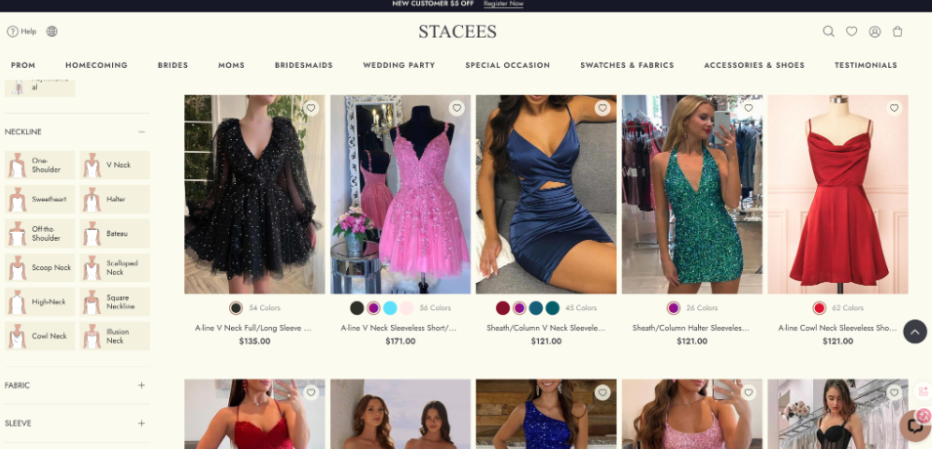
Make Style Choices That Save Money
Start with the event's dress code and the activities planned for the evening. A fitted mermaid skirt may create a dramatic outline but requires more attention to walking and sitting comfortably. An A-line skirt often gives greater room through the lower half. Neither is inherently a better purchase. Assess the gown against movement, coverage, venue, and personal preference before deciding what looks worth paying for.
Use accessories to balance the design rather than buying everything new. A detailed dress may need only familiar shoes and understated jewelry, while a simpler gown can work with one distinctive accessory. Try the whole outfit together before spending on extras. Check whether the hem catches under a shoe, the bag holds essentials, and the neckline remains comfortable when sitting or dancing.
Make the Decision Before the Deadline
Narrow the shortlist to two or three dresses, then compare their total costs, fit information, delivery estimates, and applicable return conditions on the same day. Choose the option that meets the event requirements without using money reserved for essential expenses. If a dress needs a risky shipping schedule or unexplained additional charges, remove it from the shortlist, however appealing the photographs look.
A prom budget should leave room to enjoy the evening, not merely pay for a gown. The strongest plan starts with a firm overall number, accounts for often-forgotten costs, and tests each choice against fit and timing. With those decisions settled, personal style can guide the final purchase without turning a special occasion into a financial surprise.