PHILADELPHIA, PA / ACCESS Newswire / January 5, 2026 / As pilonidal disease continues to disrupt the daily lives of teens and young adults, new attention is being placed on the long road many patients face before receiving effective treatment. Data from the Cleveland Clinic (https://my.clevelandclinic.org/health/diseases/15400-pilonidal-disease) suggests that recurring infection remains one of the most common complications among individuals who receive early drainage or excision from non-specialists. The disease can linger for years, sometimes escalating after repeated flare ups or wound breakdowns.
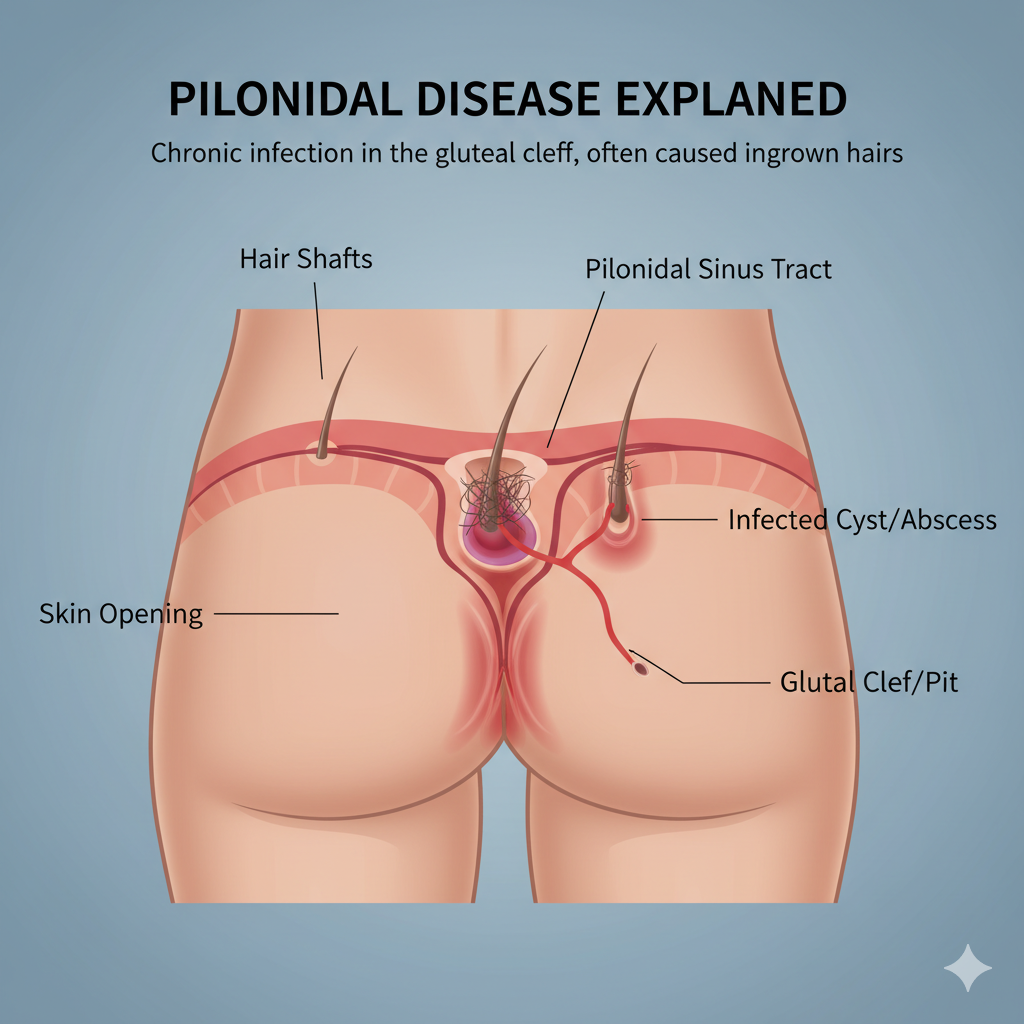
That reality has pushed families to look for surgeons who dedicate their full practice to the condition. One such practice, led by Dr. Samuil Rafailov, began drawing attention because of its single-focus model. He notes that many patients arrive after months of uncertainty, often after being told that "it just needs to be packed longer" or "it'll heal eventually," even though the sinus tracts remain active.
"It shouldn't take a person five or six infections to get a straight answer," Rafailov said, sounding more frustrated than anything. "The problem is rarely the patient. It's the limited knowledge outside of specialized care."
The need for better guidance is echoed by a recent review from Johns Hopkins Medicine (https://www.hopkinsmedicine.org/news/articles/2022/11/johns-hopkins-adds-to-colorectal-treatment-team-in-the-national-capital-region), which points out that pilonidal disease is frequently mismanaged due to lack of familiarity among general surgeons. Standard procedures often focus on removing tissue rather than reshaping the anatomy that fuels recurrence.
This is partly why analysts say specialty clinics are becoming an important alternative path for patients who have already been through failed treatments. A 2024 working paper from the Agency for Healthcare Research and Quality (https://www.ahrq.gov) noted that complication rates drop significantly when care is centralized in hands of experienced surgeons.
Beyond the clinical side lies the emotional weight. Students missing class. Young professionals unable to sit comfortably at work. Parents exhausted from watching their teenagers struggle with painful infections. "People underestimate how much this condition impacts day to day life," Rafailov said. "Getting someone back to normal is more than fixing a wound. It's giving them a chance to live without constant fear of something flaring again."
Specialized care appears to be giving that chance to more patients who may have felt trapped by previous outcomes.
Media Contact:
Dr. Samuil Rafailov
Email: pilonidalfix@gmail.com
Website: https://PiloFix.com
SOURCE: Dr. Samuil Rafailov
View the original press release on ACCESS Newswire