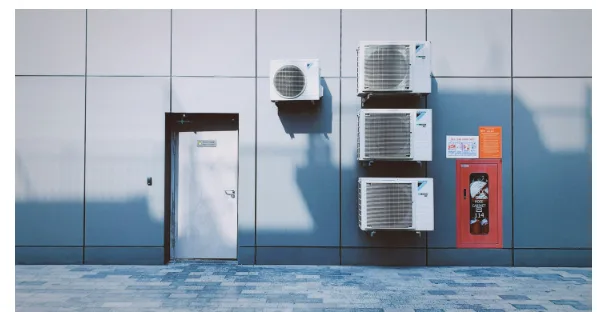
Clearwater’s relentless heat and humidity make air conditioning less of a luxury and more of a necessity. When systems fail during Florida’s sweltering summers, the consequences range from uncomfortable to dangerous—particularly for vulnerable populations. Yet the way we maintain and repair these critical systems is undergoing a fundamental shift, driven by artificial intelligence and connected devices that can predict failures before they happen.
The integration of AI and the Internet of Things into HVAC systems represents more than incremental improvement. These technologies are enabling predictive maintenance that catches problems early, real-time monitoring that provides unprecedented visibility into system performance, and energy optimization that reduces both costs and environmental impact. For Clearwater residents and businesses, this evolution means fewer emergency breakdowns, lower utility bills, and air conditioning systems that adapt intelligently to changing conditions.
Why Regular Maintenance Matters in Florida’s Climate
Clearwater’s subtropical climate subjects air conditioning systems to constant stress. Unlike regions where AC units rest for months at a time, Florida systems run nearly year-round, accelerating wear on components and increasing the likelihood of failure. The most common issues technicians encounter include:
- Refrigerant leaks that reduce cooling capacity and increase energy consumption
- Clogged air filters that restrict airflow and force systems to work harder
- Thermostat malfunctions that create temperature inconsistencies
- Electrical failures in capacitors, contactors, and wiring
- Condensate drain blockages that can cause water damage
Local HVAC specialists have adapted their service models to address these regional challenges. For Clearwater homeowners evaluating providers with Florida-specific experience, Three Guys Master Tradesmen, ARS/Rescue Rooter, and One Hour Air Conditioning & Heating are among the more commonly referenced options for year-round residential maintenance.
Artificial Intelligence Reshapes HVAC Diagnostics
AI’s impact on HVAC systems extends far beyond simple automation. Machine learning algorithms analyze patterns in system performance data, identifying subtle anomalies that signal impending component failure. This predictive capability fundamentally changes the maintenance equation.
Traditional reactive maintenance waits for systems to fail before dispatching technicians. Preventive maintenance follows fixed schedules regardless of actual system condition. AI-driven predictive maintenance, by contrast, monitors real-time performance metrics and recommends interventions only when data indicates genuine need.
The practical benefits are substantial. AI systems can detect refrigerant charge issues by analyzing temperature differentials and compressor runtime patterns. They identify failing capacitors through subtle changes in motor startup behavior. They even predict filter replacement needs based on airflow measurements rather than arbitrary time intervals.
AI-optimized HVAC systems can reduce energy consumption by 10-30% while simultaneously improving comfort and extending equipment lifespan. For commercial buildings in Clearwater, where cooling costs represent a major operational expense, these savings compound significantly over time.
Connected Devices Enable Smarter Climate Control
The Internet of Things has transformed HVAC systems from isolated appliances into networked devices that communicate continuously with users and service providers. Smart thermostats represent the most visible manifestation of this shift, but IoT integration extends throughout modern systems.
Wireless sensors monitor temperature, humidity, and air quality in multiple zones, enabling precise control that traditional single-point thermostats cannot achieve. Compressor controllers communicate operational data to cloud platforms where algorithms optimize performance based on weather forecasts, occupancy patterns, and utility rate structures.
Remote monitoring capabilities prove particularly valuable for property managers overseeing multiple locations. Rather than waiting for tenant complaints to signal problems, managers receive automated alerts when systems deviate from normal parameters. Technicians can often diagnose issues remotely, arriving on-site with the correct parts and a clear understanding of the problem.
Regional Considerations: Clearwater vs. St. Petersburg
While Clearwater and St. Petersburg share similar climates, their HVAC service needs diverge in important ways. St. Petersburg’s coastal location exposes systems to salt-laden air that accelerates corrosion of outdoor units, particularly coil fins and electrical connections. This environmental factor requires more frequent inspections and often necessitates specialized coatings or materials.
The cities’ building stock also differs meaningfully. St. Petersburg’s historic districts contain older structures with outdated electrical systems and limited space for modern HVAC equipment. Retrofitting these buildings with efficient systems requires creative solutions and specialized expertise that standard residential installations don’t demand.
Clearwater’s newer construction typically accommodates modern HVAC systems more easily, but the area’s rapid development creates different challenges. New installations must account for proper sizing—a critical factor that contractors sometimes misjudge, leading to systems that cycle too frequently or fail to adequately dehumidify.
Installation Best Practices for Coastal Environments
Installing air conditioning systems in St. Petersburg and similar coastal areas requires attention to factors that inland locations can often ignore. Salt air corrosion tops the list of concerns, making material selection critical. Outdoor units with coated coils and corrosion-resistant fasteners last significantly longer than standard equipment.
Proper sizing becomes even more important in humid climates. Oversized systems cool spaces quickly but shut off before adequately removing moisture, creating clammy indoor conditions and promoting mold growth. The Air Conditioning Contractors of America publishes detailed load calculation standards that account for regional humidity levels, but not all contractors follow these protocols rigorously.
Modern installations increasingly incorporate smart technologies from the outset. IoT-enabled systems provide installation verification data, confirming proper refrigerant charge, airflow, and electrical connections. These systems also establish performance baselines that future diagnostics can reference, making it easier to identify when components begin degrading.
Selecting Qualified HVAC Contractors
The proliferation of HVAC companies in Clearwater creates both opportunity and risk for consumers. Quality varies dramatically, and the consequences of poor workmanship extend beyond immediate performance issues to include safety hazards and premature equipment failure.
Licensing verification should be the first step in any contractor evaluation. Florida requires HVAC contractors to hold state certification, and the Department of Business and Professional Regulation maintains a searchable database of licensed contractors and any disciplinary actions against them.
Beyond basic licensing, several factors distinguish exceptional contractors from merely adequate ones:
- Manufacturer certifications indicating specialized training on specific equipment brands.
- Documented continuing education in emerging technologies like AI diagnostics and IoT integration.
- Detailed written estimates that specify equipment models, warranty terms, and scope of work.
- Willingness to perform load calculations rather than simply replacing existing equipment with similar-sized units.
- Transparent pricing without pressure tactics or limited-time offers designed to prevent comparison shopping.
Customer reviews provide valuable insights, but savvy consumers look beyond star ratings to read detailed accounts of how contractors handled complications and warranty issues. Companies that respond professionally to negative reviews often demonstrate more accountability than those with suspiciously perfect ratings.
The Value of Emergency Service Availability
Air conditioning failures don’t respect business hours. Systems often fail during peak demand periods—precisely when temperatures make the loss of cooling most problematic. For elderly residents, young children, and individuals with health conditions, a non-functional AC system can quickly become a medical emergency.
True 24-hour service means more than an answering service that takes messages for next-day callbacks. It requires technicians on call with fully stocked vehicles ready to respond immediately. The best emergency services maintain inventory of common failure components, enabling same-visit repairs rather than temporary fixes followed by return visits.
Emergency service costs typically exceed standard rates, but the premium pays for immediate availability and off-hours labor. Consumers should clarify pricing structures before emergencies occur, understanding both the service call fee and hourly rates for after-hours work.
Some HVAC companies offer maintenance agreements that include priority emergency service and discounted repair rates. For homeowners and businesses dependent on reliable cooling, these agreements often prove cost-effective, particularly when they include the preventive maintenance that reduces emergency calls in the first place.
The Future of Climate Control
The convergence of AI, IoT, and traditional HVAC expertise is still in its early stages. Current systems hint at capabilities that will become standard in coming years: fully autonomous operation that requires no user input, integration with smart home ecosystems that optimize energy use across all systems, and predictive maintenance so accurate that unexpected failures become rare events.
For Clearwater residents and businesses, these advances promise more than just convenience. They represent meaningful reductions in energy consumption at a time when climate change makes efficient cooling increasingly critical. They offer improved indoor air quality through better monitoring and filtration. And they provide peace of mind that comes from systems designed to prevent problems rather than simply react to them.
The technology exists today. The challenge lies in selecting contractors who understand these systems and can implement them effectively—transforming air conditioning from a reactive necessity into a proactive component of comfortable, efficient, and sustainable buildings.