For many, inflation means higher prices at the grocery store or gas pump. In reality, it does more: gradually reduces the value of money. It especially hits investors by making it harder to preserve purchasing power and maintain real returns.
That reality is why investors are searching for other ways to invest. Among different options, one particularly stands out: multifamily real estate investing, and not just for one good reason, but many.
If you’re interested in learning about these reasons, keep reading.

Why Inflation Creates Challenges for Investors
As we already noted, inflation doesn’t just affect everyday expenses. It also changes how investments perform over time. Prices go up, and the same dollar buys less than it did. In the end, investment returns that look strong on paper may get far less value in real terms.
This is one of the main reasons many investors look into reports about inflation affecting U.S. consumers and usually find that rising costs influence spending habits, borrowing decisions, and overall economic activity. All of these shape investment outcomes.
Assets that produce fixed income are often the most vulnerable.
A bond that pays the same amount year after year becomes less attractive when the purchasing power of those payments declines.
Cash is in no better position. While it may preserve nominal value, it loses real value when inflation outpaces interest earned.
As a solution, many investors look for assets that can provide rising income, rather than just fixed returns. And the best place to look? Real estate. More specifically, multifamily properties.
Rental Income Can Adjust to Changing Economic Conditions
One of, if not the biggest, advantage of multifamily properties is the ability to adjust rental rates on a regular basis.
Many commercial properties rely on long-term leases. On the contrary, apartment leases usually renew every 12 months. That gives property owners more time and opportunities to respond to new market conditions.
When inflation increases operating expenses, such as maintenance, insurance, utilities, or labor costs, property owners aren’t locked into the same rental rates for years and years. Once leases expire, they can update rents.
This also helps protect a property’s income stream. Here’s an example: monthly rent rises from $1,500 to $1,600 when a lease renews; that additional revenue can help offset higher ownership costs. Multiply that by dozens or hundreds of units, and even modest rent updates can have a big impact.
And higher rental income means higher net operating income (NOI), one of the most important metrics used to determine a property’s value. NOI growing = property’s market value growing.
Housing Demand Remains Strong in Different Market Conditions
There aren’t many sectors that benefit from consistent demand, but housing is one of them. No matter the economic conditions, people need a place to live, and always will.
Why don’t they just buy houses then?
Like in many markets, affordability has a central role. When home prices rise or mortgage rates increase, many households can’t afford to purchase a home. Then, as a result, more people stay in the rental world for longer periods, which increases demand for multifamily housing.
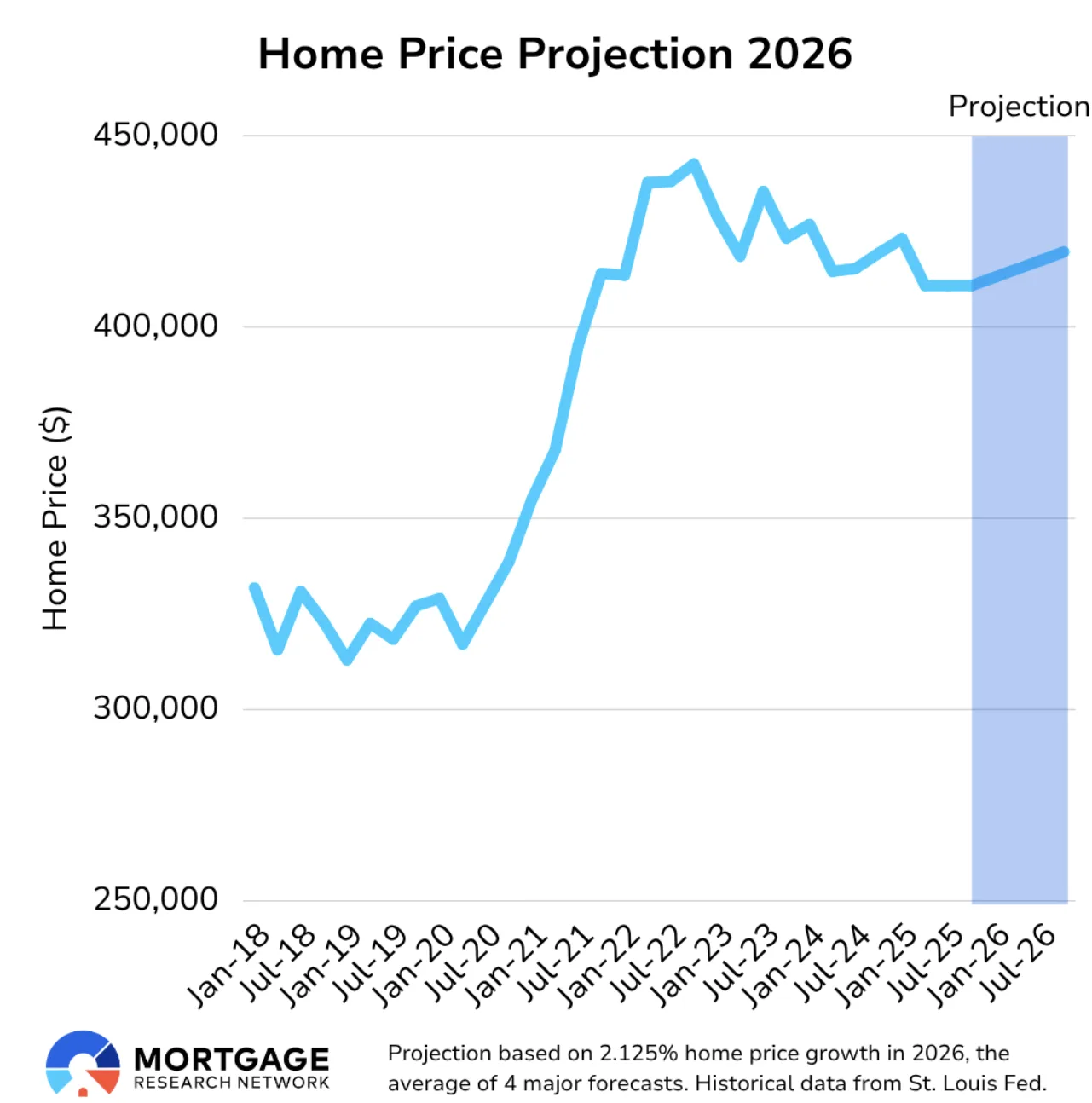
Supply constraints are another layer of support. Many regions still face housing shortages, with new construction unable to keep pace with population growth and household formation. Once available housing falls short of demand, apartment communities shine.
Occupancy matters just as much as rental rates, though. A property with a high percentage of occupied units is generally in a better position to produce stable income and survive economic uncertainty.
Fixed-Rate Debt Can Work in an Investor’s Favor
When people discuss inflation hedges, financing is often overlooked, but it can have a big impact on a property’s performance. Many multifamily investors use long-term fixed-rate loans, which means they have a predictable debt obligation. It doesn’t matter what changes in future economic conditions.
When a loan carries a fixed interest rate, the monthly principal and interest payment are the same throughout the loan term.
At the same time, rents and property income might increase, and then there’s a widening gap between a property’s revenue and one of its largest expenses.
Take a look at this scenario: a property generates $100,000 in monthly rental income and carries a fixed mortgage payment. As rents increase over time while the loan payment remains unchanged, more of that income stays with the property owner.
In fact, inflation reduces the real value of debt. In other words, future loan payments are made with dollars that are typically worth less than when the loan was first taken out.
The loan balance is the same on paper, but the economic burden becomes easier.
Multifamily Combines Several Inflation-Resistant Characteristics
To answer the main question — why multifamily properties are a hedge against inflation — there isn’t a single factor that explains it. It’s more of a combination of characteristics that work together:
- Property owners can adjust rents more frequently than in many other real estate sectors
- The demand for housing is almost constantly stable
- Fixed-rate financing can improve cash flow as rental income rises over time
All things considered, it’s no wonder JPMorgan’s 2025 multifamily outlook describes multifamily as a “natural inflation edge”.
So, for many investors who are focused on keeping their purchasing power, multifamily properties provide potential that can adapt to any economic conditions.