As of April 1, 2026, PepsiCo (NASDAQ: PEP) stands at a critical juncture in its century-long history. Long regarded as the definitive "Steady-Eddie" of the consumer staples sector, the company has spent the last two years navigating a complex macroeconomic landscape defined by stubborn inflation, the seismic rise of GLP-1 weight-loss medications, and a shifting global appetite for "permissible" snacking. While its rival, The Coca-Cola Company (NYSE: KO), remains laser-focused on beverages, PepsiCo’s unique dual-engine model—spanning both drinks and snacks—has provided it with a defensive moat that few competitors can match. In a market hungry for reliability, PepsiCo’s status as a "Dividend King" with 54 consecutive years of dividend increases keeps it firmly in the spotlight of institutional and retail investors alike.
Historical Background
The PepsiCo we recognize today was forged in 1965 through the visionary merger of Pepsi-Cola and Frito-Lay. This marriage of "salty snacks" and "sugary sips" created a consumer powerhouse that could dominate the grocery aisle like no other. Throughout the late 20th century, the company was defined by the "Cola Wars," a high-octane marketing battle against Coca-Cola. However, the 21st century brought a strategic pivot.
Under the leadership of former CEO Indra Nooyi and current CEO Ramon Laguarta, PepsiCo moved toward "Performance with Purpose" (now evolved into PepsiCo Positive, or pep+). This transformation shifted the portfolio away from purely indulgent products toward "Better-for-You" options. Key acquisitions over the decades—including Quaker Oats in 2001, SodaStream in 2018, and more recently, Siete Foods and Poppi—have systematically transitioned PepsiCo from a soda company into a diversified global food and beverage titan.
Business Model
PepsiCo operates an integrated "Power of One" business model, leveraging a shared supply chain and retail relationship network to sell both snacks and drinks. The company’s revenue is remarkably balanced:
- PepsiCo Foods North America (PFNA): The profit engine of the company, housing Frito-Lay (Lay’s, Doritos, Cheetos) and Quaker Foods. This segment consistently boasts operating margins north of 40%.
- PepsiCo Beverages North America (PBNA): Includes the namesake Pepsi brand, Gatorade, Mountain Dew, and Starry. It is a volume leader that benefits from massive scale in bottling and distribution.
- International Segments: Spanning Latin America, Europe, AMESA (Africa, Middle East, and South Asia), and APAC. International markets now contribute approximately 40% of total revenue and represent the company’s primary frontier for volume growth.
By owning both the snack and the drink for a single "consumption occasion," PepsiCo exerts immense bargaining power with retailers and maximizes its "share of stomach."
Stock Performance Overview
As of early 2026, PepsiCo’s stock performance reflects its role as a defensive hedge.
- 1-Year Performance: The stock has seen a total return of approximately +8.2% over the past year, recovering from a mid-2025 slump where it touched $127. It currently trades in the $153–$157 range.
- 5-Year Performance: With a total return of ~28.5%, PEP has slightly lagged the tech-heavy S&P 500 but has consistently outperformed the broader Consumer Staples Select Sector SPDR Fund (XLP) during periods of high interest rates and market volatility.
- 10-Year Performance: Long-term investors have enjoyed a total return of approximately 120%, representing a CAGR of roughly 8.2% when dividends are reinvested. This performance underscores the stock’s ability to double capital every 9-10 years with relatively low beta.
Financial Performance
For the fiscal year ending 2025, PepsiCo reported net revenue of $93.93 billion, a modest increase from $91.85 billion in 2024. While organic revenue growth slowed to 1.7% due to consumer "price fatigue" in North America, the company demonstrated exceptional cost discipline.
- Earnings: Core EPS for 2025 came in at $8.14, slightly down from $8.16 in 2024, impacted by one-time tax audit settlements and brand impairment charges (notably Rockstar Energy).
- Margins: Gross margins expanded in 2025, driven by a $2 billion productivity program and the streamlining of the North American supply chain.
- Dividend & Buybacks: In early 2026, PepsiCo announced a 7% increase in its annualized dividend, marking over half a century of payout growth. The company also remains active in share repurchases, targeting $1–$2 billion annually.
Leadership and Management
Chairman and CEO Ramon Laguarta has led the company since 2018, emphasizing a strategy of "Faster, Stronger, and Better." Laguarta’s tenure has been marked by a focus on digital transformation—using AI for demand forecasting—and the "pep+" sustainability framework.
In early 2025, Laguarta oversaw a significant organizational shift, merging Frito-Lay and Quaker Foods into the unified "PepsiCo Foods North America" (PFNA) division. This move was designed to eliminate corporate silos and accelerate innovation. Management’s current reputation among analysts is one of "pragmatic resilience," particularly praised for their ability to manage margins despite fluctuating commodity costs for corn, sugar, and aluminum.
Products, Services, and Innovations
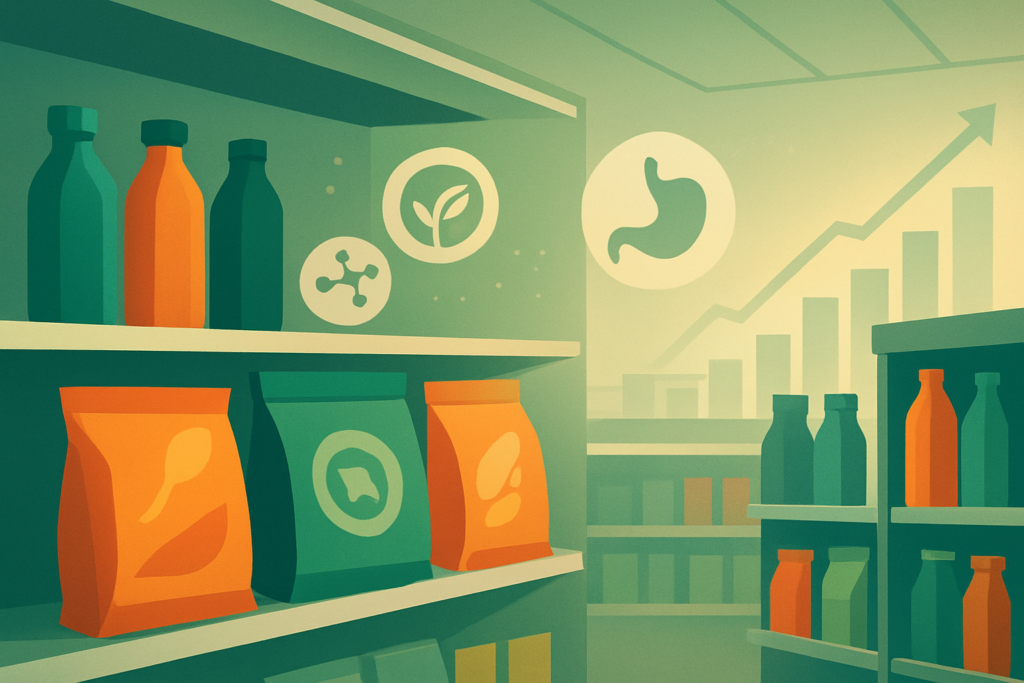
PepsiCo’s R&D pipeline is currently obsessed with "functionalization" and "permissible indulgence."
- The Prebiotic Push: Following the acquisition of Poppi, the company launched Pepsi Prebiotic Cola in early 2026, aiming to capture the "gut health" trend.
- Protein-Forward Snacking: The debut of Doritos Protein targets the active nutrition market, offering a classic flavor profile with 20g of protein per serving.
- Hydration Ecosystem: Gatorade has moved beyond the bottle into "Gatorade Free" (natural ingredients) and customized hydration patches that sync with athletic apps.
- Clean Label Growth: The integration of Siete Foods has allowed PepsiCo to penetrate the premium, grain-free market, appealing to Gen Z and millennial consumers who prioritize ingredient transparency.
Competitive Landscape
PepsiCo’s competitive theater is dual-fronted:
- Beverages: Coca-Cola (KO) remains the primary rival. While Coke leads in total beverage volume, PepsiCo’s Pepsi Zero Sugar and Starry have gained significant market share in the U.S. in the last 24 months.
- Snacks: In the savory snack space, PepsiCo faces off against Mondelez International (NASDAQ: MDLZ) and Kellanova (NYSE: K). However, with Frito-Lay holding an estimated 60% share of the U.S. salty snack market, PepsiCo remains the undisputed king of the aisle.
- Energy Drinks: The energy sector remains a battleground where PepsiCo’s Celsius (NASDAQ: CELH) partnership and Rockstar brand compete against Monster Beverage (NASDAQ: MNST) and Red Bull.
Industry and Market Trends
The most significant trend currently impacting PepsiCo is the "GLP-1 Effect." As medications like Ozempic and Wegovy become more accessible, consumer data shows a 10-15% reduction in caloric intake among users, particularly in savory snacks and sugary drinks.
PepsiCo is countering this trend through:
- Portion Control: Moving toward 100-calorie "mini-can" and "small-bag" formats, which actually carry higher price-per-ounce margins.
- Nutrient Density: Increasing the inclusion of whole grains, legumes, and protein in its snack portfolio to cater to patients on calorie-restricted diets.
- Value Pivot: As inflation-weary consumers switch to private labels, PepsiCo has responded with "sharper pricing" and increased promotional activity to defend its market share.
Risks and Challenges
- GLP-1 Adoption: If 10-15% of the U.S. population eventually uses weight-loss drugs, the structural volume decline in traditional snacks could become a permanent headwind.
- Regulatory Scrutiny: Governments in Europe and Latin America continue to implement "sugar taxes" and "front-of-pack" warning labels, which can dampen demand.
- Commodity Volatility: While inflation has cooled, geopolitical tensions continue to cause spikes in the cost of agricultural inputs and energy for transportation.
- Product Safety: The memory of the 2024 Quaker Foods recall still lingers, highlighting the operational risks inherent in a global supply chain.
Opportunities and Catalysts
- Emerging Markets: India and Africa represent massive untapped potential. PepsiCo’s focus on localized flavors and affordable price points in these regions is driving double-digit growth.
- M&A Integration: The full integration of Siete Foods and Poppi provides a blueprint for future acquisitions of high-growth, health-conscious "insurgent" brands.
- Digitalization: AI-driven shelf monitoring and automated warehouses are expected to unlock an additional $1 billion in annual productivity savings by 2027.
Investor Sentiment and Analyst Coverage
Wall Street currently views PepsiCo as a "Core Holding" with a consensus "Buy" or "Strong Hold" rating. Institutional ownership remains high at over 70%, with major positions held by Vanguard, BlackRock, and State Street.
Hedge fund sentiment has recently turned more positive as the company successfully navigated the "earnings reset" of 2024. Analysts at firms like Goldman Sachs and Morgan Stanley have highlighted PepsiCo’s ability to maintain high margins through "revenue management" (a mix of pricing and pack-sizing) even as volumes remain flat.
Regulatory, Policy, and Geopolitical Factors
PepsiCo is heavily exposed to international policy. The company’s "pep+" goal of achieving 100% recyclable, compostable, or reusable packaging by 2030 is not just a PR move but a regulatory necessity as the EU and several U.S. states implement stricter plastic bans. Furthermore, the company’s massive presence in Latin America makes it sensitive to currency fluctuations and political shifts in markets like Mexico and Brazil.
Conclusion
PepsiCo (NASDAQ: PEP) in 2026 remains a masterclass in corporate adaptation. By leveraging its "Power of One" business model, the company has managed to stay relevant in a world increasingly focused on health and value. While the rise of GLP-1 medications and shifting consumer habits pose real threats to volume, PepsiCo’s pivot toward functional, protein-rich, and portion-controlled products demonstrates its characteristic agility. For the long-term investor, PEP continues to offer a compelling mix of defensive stability, a growing dividend, and a front-row seat to the evolution of the global food and beverage industry. Investors should watch volume recovery in North America and the continued success of the "prebiotic" and "clean-label" lines as the primary gauges of the company’s future health.
This content is intended for informational purposes only and is not financial advice.