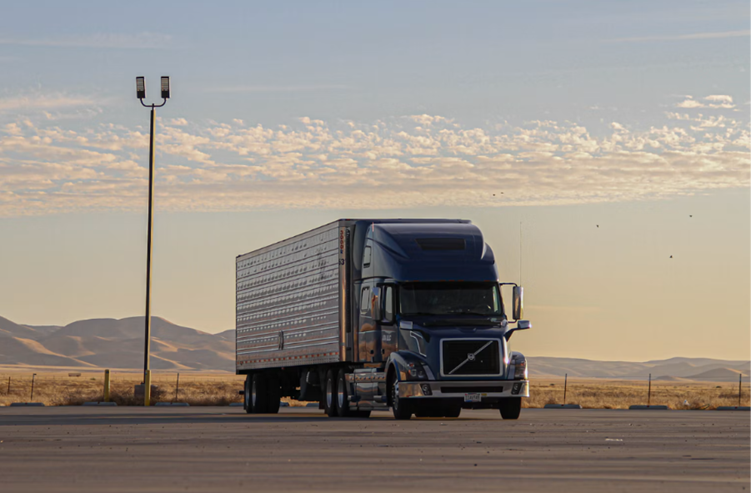
Running trucking operations has always involved balancing too many moving parts at any given time. You can be on the phone chasing updates, waiting hours for loads and parking, or you can end up with a surprise breakdown halting an entire week of deliveries. Meanwhile, fuel prices continue to rise, and the pressure to get more done with the same trucks is relentless.
That’s where technology comes in and is making a silent transformation in how trucks are driven, tracked, fueled, and fixed. From driverless trucks to smart data tools, these changes are already impacting drivers, dispatchers, and fleet managers every day and will impact the coming years even more.
Here’s an overview of the direction this is going, along with what it means for your work, so you can plan accordingly.
1. Autonomous Trucks Redefining Long-Haul Freight Movement
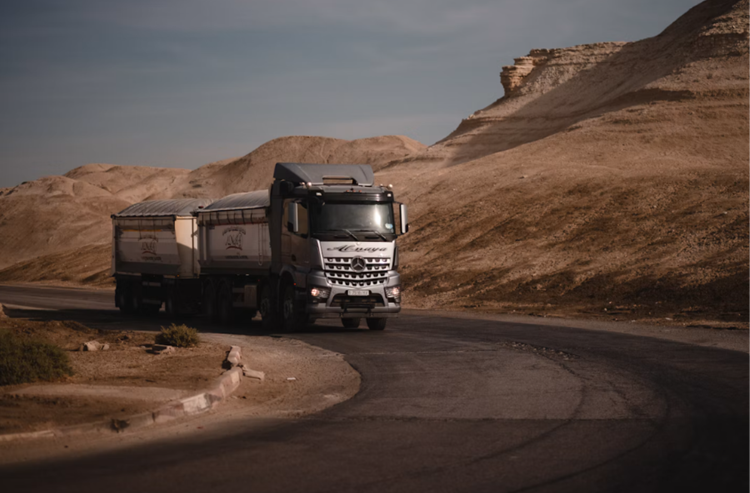
First, let’s start with the concept that receives the most attention: the self-driving truck. As the latest trucking news shows, some companies are already hauling freight on public highways. Regulators are also drafting new rules, including special lights that help drivers spot a driverless truck.
On the highway, where hour limits end for human drivers, that’s the most appealing part for fleets. Continual truck movement can assist dispatch teams in delivering a more consistent time of service. This pressure could change the method of long-haul freight pricing and planning.
Drivers still have plenty of work, though, since local routes, busy docks, and special loads need a human touch. Fleets will also need people who can oversee these trucks from a screen. Learning how these trucks work now puts you ahead of the curve.
2. Electric and Alternative Fuel Trucks Reshaping Fuel Costs
Fuel is a huge cost for a fleet, and drivers know it when they pull up to the pump. With prices rising so often, many fleets are testing electric trucks and other fuels. Electric trucks may be cheaper per mile because power and repairs are likely to be less expensive.
Of course, there is a catch: electric vehicles are more expensive, and it takes time to charge them. That makes them a tough fit for long cross-country runs. They are more effective on regional routes where the trucks come back to the same yard and charge overnight.
If electric does not suit your routes, other fuels are gaining ground too. Biodiesel can run in many existing engines, while natural gas and hydrogen need newer trucks. Fleet managers and drivers can compare each option by cost, range, and fueling stops.
3. Telematics and ELDs Improving Fleet Visibility and Compliance
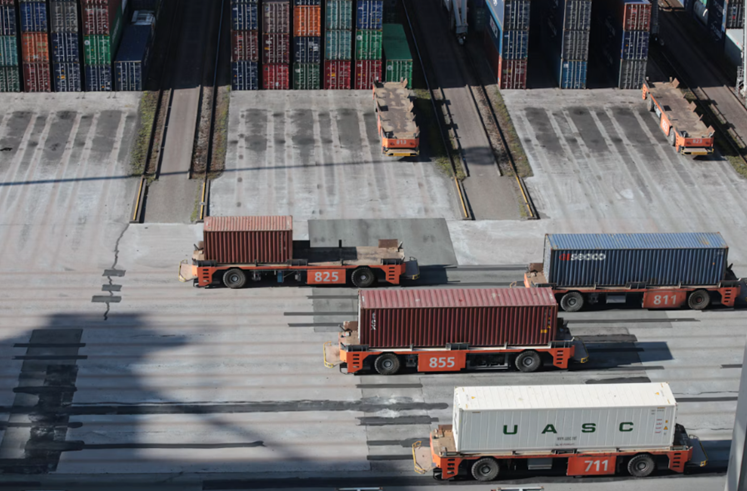
Most newer trucks now send a steady stream of data to the office. That data comes from telematics, which uses GPS and sensors to show where a truck is and how it runs. Electronic logging devices, or ELDs, add to it by recording driving hours.
Dispatchers can use this view to choose smarter routes, warn customers about delays, and give honest arrival times. Fleet managers also spot habits that waste money, like long idle time and rough braking. Drivers benefit too, since fewer check-in calls interrupt the day.
Following the rules gets simpler as well, since the software tracks hours for you. It can warn a driver before time runs out, which helps the whole fleet avoid fines. Clear digital records also make roadside inspections smoother for everyone involved.
4. Predictive Maintenance Tools Reducing Breakdowns and Downtime
A truck that breaks down hurts the driver’s day and the fleet’s schedule at the same time. Predictive maintenance tools help by watching the engine, brakes, and tires all day. Sensors send readings to software that spots small changes before they grow into big failures.
Picture a sensor noticing an engine part running hotter than normal. The system alerts the driver and the shop, so the repair happens before the part fails. A planned fix usually costs far less than an emergency tow and a late delivery.
Recall alerts and software updates also reach connected trucks faster than before. If a maker finds a problem, like a leaking fuel line, fleets can hear about it sooner. Drivers help most by reporting strange sounds or dashboard warning lights right away.
5. Digital Load Matching and Smart Parking Apps Simplifying Daily Operations
Finding freight used to mean many phone calls, and dispatchers spent hours on hold. Now load boards and matching apps show open loads, rates, and pickup times on one screen. Drivers and dispatchers can compare offers and book the best one in minutes.
Some tools use artificial intelligence to suggest loads that fit a truck’s location and usual lanes. That helps cut trips with an empty trailer, which saves fuel and raises income. Live rate updates also help teams know when to push for a better price.
Parking is the other big headache, and apps are slowly catching up. Smart tools can show open spaces at rest areas and truck stops before a driver even arrives. That helps drivers plan stops, stay within their hours, and get real rest.
Conclusion
The future of trucking will depend on how well the industry adapts to changing demands and new ways of working. As technology continues to advance, staying informed and open to change will become essential for keeping up with the industry. The key is to understand which developments offer real value and how they can support everyday operations.
Rather than rushing to adopt every new innovation, trucking businesses should focus on practical solutions that meet their needs. A willingness to learn, adapt, and make informed decisions will help the industry move forward and remain competitive in the years ahead.