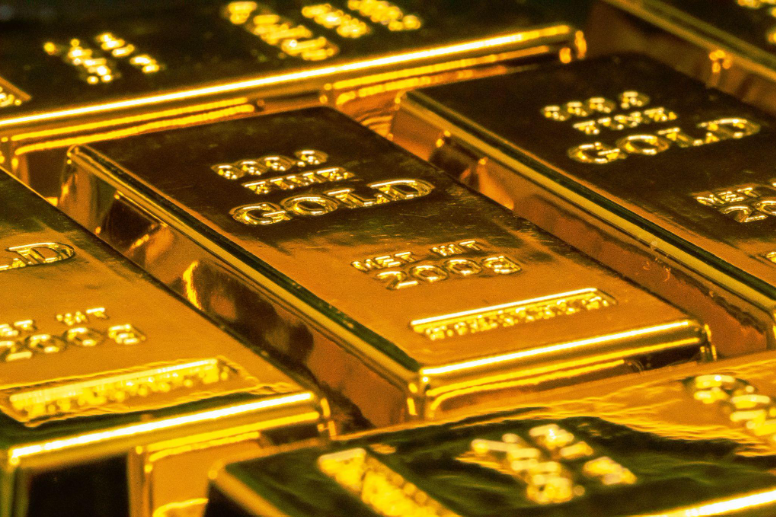
Gold has held its value across generations, but the reasons people buy it continue to evolve. While previous generations often associated gold primarily with savings or investment, today's buyers approach it from several different perspectives. Some see it as financial security, others as wearable craftsmanship, and many appreciate the fact that it can serve both purposes at the same time.
In 2026, consumers are becoming more intentional with their purchases. Rather than buying gold simply because it has traditionally been considered valuable, they are thinking more carefully about how it fits into their everyday lives. For some, that means investment-grade bullion. For others, it means selecting timeless jewelry they'll actually enjoy wearing for years.
The growing variety of purchasing habits shows that gold remains relevant not because it serves one purpose, but because it adapts to many.
Gold Is Becoming More Personal
Buying gold is no longer limited to investment strategies or collecting precious metals.
Many consumers are placing greater value on products that combine lasting quality with personal meaning. Instead of purchasing something that remains locked away, they often prefer items that become part of everyday life while still retaining the qualities that make gold desirable.
The same appreciation for personalization extends beyond precious metals. Products designed specifically for organizations, events, businesses, and communities reflect a broader movement toward choosing items that feel unique rather than generic. Looking through collections at https://www.diehardscarves.com/collections/custom-visors offers one example of how customization continues influencing purchasing decisions across entirely different product categories.
People increasingly value products that tell a story instead of simply serving a function.
Jewelry Lets Gold Become Part of Everyday Life
Not everyone wants to own gold that spends its entire existence inside a safe.
For many buyers, jewelry offers the opportunity to enjoy precious metals every day while investing in something designed to last. Well-made pieces often become associated with important milestones, family traditions, or personal achievements, giving them emotional value alongside their material worth.
Rather than following short-lived fashion trends, many shoppers now focus on timeless pieces that remain suitable for different occasions throughout the years.
Someone exploring classic styles with high gold purity may naturally compare 24k gold hoop earrings while considering jewelry that combines everyday versatility with enduring craftsmanship. Choosing pieces designed for long-term wear allows buyers to appreciate gold both as a beautiful material and as something they can genuinely use.
The enjoyment of wearing gold has become just as important to many people as its financial value.
Bullion Still Appeals to Long-Term Thinkers
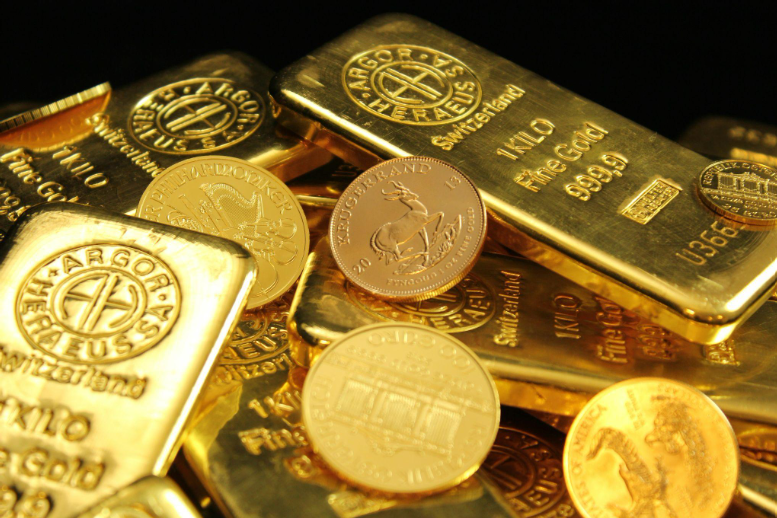
Despite growing interest in jewelry, bullion continues attracting buyers who prefer a more traditional approach.
Gold bars and coins appeal to people who prioritize simplicity, portability, and direct ownership of precious metals. These purchases often become part of broader financial planning rather than everyday use.
Unlike jewelry, bullion places less emphasis on design and craftsmanship and more on purity, weight, and storage.
For buyers focused primarily on investment objectives, this straightforward approach continues to provide reassurance regardless of changing fashion preferences.
Both forms of ownership reflect different priorities rather than competing philosophies.
Buyers Are Becoming More Selective
As gold prices fluctuate, consumers tend to spend more time evaluating each purchase.
Instead of buying impulsively, many compare craftsmanship, quality, durability, and long-term usefulness before making a decision. This often results in fewer purchases overall but greater satisfaction with each one.
People increasingly want products that remain relevant years from now instead of items driven solely by seasonal trends.
Whether choosing bullion or jewelry, thoughtful decision-making has become a defining characteristic of today's gold buyers.
Sentimental Value Often Outlasts Market Value
One characteristic separates jewelry from nearly every other form of gold ownership.
While investment products are generally valued according to market prices, jewelry often carries emotional significance that cannot be measured financially. Wedding gifts, family heirlooms, anniversary presents, and milestone celebrations all create memories that remain attached to the piece regardless of future gold prices.
Over time, those personal stories frequently become just as valuable as the material itself.
That emotional connection explains why beautifully crafted jewelry continues appealing to buyers even during periods of changing market conditions.
Gold Continues to Adapt With Every Generation
The reasons people buy gold may continue changing, but its appeal remains remarkably consistent.
Some buyers appreciate the stability associated with bullion. Others prefer jewelry that combines lasting craftsmanship with everyday wearability. Many choose both, recognizing that each serves a different purpose.
Rather than asking which approach is better, today's consumers are selecting the form of gold that best fits their own priorities, lifestyle, and long-term goals.
Whether stored safely for the future or worn every day, gold continues to hold a unique place because it offers something few other materials can: lasting value that extends beyond any single purpose.