Guideline Highlights:
- Rehabilitation after a stroke should begin as soon as the individual is medically stable, ideally within 48 hours of the stroke, and should be personalized to address the person’s physical, cognitive, language and mental health needs.
- A coordinated multidisciplinary care team is crucial for effective post-stroke rehabilitation, and evaluation of treatment goals should be ongoing until the person who had the stroke is able to achieve their highest possible level of function for daily activities.
- The guideline also calls for continued monitoring for post-stroke complications and related conditions, including depression and anxiety, and emphasizes the need to also support caregivers and family members.
DALLAS - August 27, 2026 (NEWMEDIAWIRE) - A stroke can change life in an instant, affecting everything from walking and speaking to memory, mood and the ability to perform everyday tasks. Recovery often continues for months or even years as survivors of stroke work to regain independence and quality of life. A new guideline from the American Stroke Association, a division of the American Heart Association, emphasizes that every person who has a stroke should receive a personalized assessment and begin rehabilitation during their hospital stay once they are medically stable, supported by a team of specialists who can address physical, cognitive, communication and emotional challenges throughout recovery. The 2026 Guideline for Adult Stroke Rehabilitation and Recovery was published today in the Association’s peer-reviewed scientific journal Stroke.
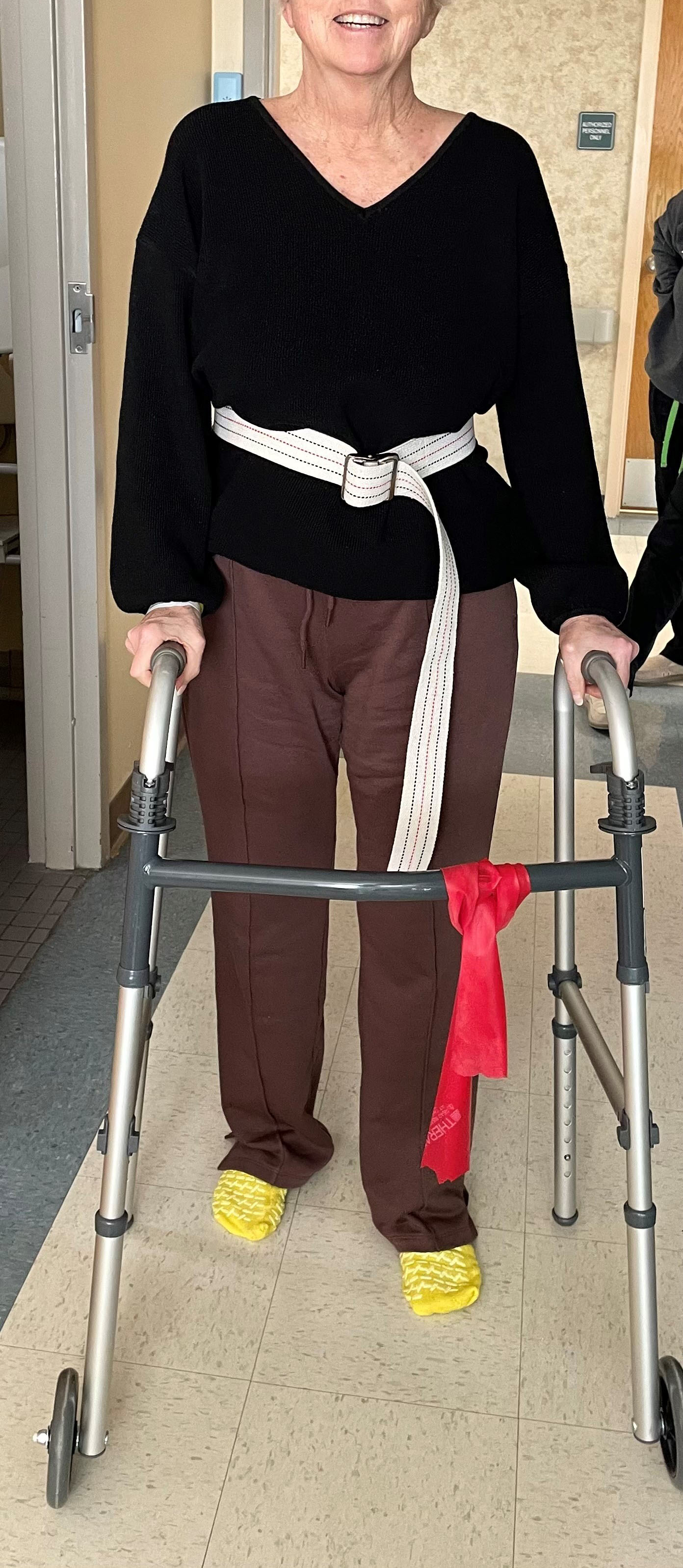
According to the American Heart Association’s 2026 Heart Disease and Stroke Statistics, stroke is now the #4 leading cause of death in the U.S, and it is also a leading cause of serious, long-term disability. Every year, nearly 800,000 people in the U.S. have a stroke. There are several types of strokes. Ischemic stroke is the most common type and occurs when blood flow to the brain is suddenly blocked in a vessel, usually by a blood clot. A hemorrhagic stroke occurs when a weakened blood vessel ruptures.
A stroke can happen to anyone at any age, and the severity and impact of a stroke can vary. After a stroke, damage to the brain can affect movement, strength, thinking, communication and other physical and mental functions. These challenges can make everyday activities harder, including walking, eating, speaking, bathing, dressing, working, driving, socializing or participating in recreational activities.
The new guideline, which replaces the 2016 version, reflects the latest science in assessing and implementing stroke rehabilitation needs. It also emphasizes the important benefits of a comprehensive recovery journey to improve both the physical and emotional wellbeing of an individual who has experienced a stroke.
“Stroke rehabilitation is complicated. A stroke can affect many of the skills people rely on for daily living, and even the most routine activities involve multiple physical, cognitive and communication abilities working together,” said Lorie Gage Richards, Ph.D., FAHA, who led the volunteer guideline writing group as chair, is an associate professor at the University of Utah and a licensed occupational therapist.
“Developing rehabilitation guidelines is equally complex because every stroke is unique. Each person faces a different set of challenges. Recovery doesn’t look the same for everyone, and care should be personalized to fit each person’s needs. The goal is to help individuals gain as much independence as possible to perform everyday activities while improving their overall quality of life,” Richards said.
For Sara Kutzle, the guideline's focus on individualized rehabilitation reflects her own experience rebuilding her life after a hemorrhagic stroke at age 39. Before her stroke in 2021, Kutzle worked as a makeup artist in San Francisco. After spending a week in intensive care and a month in the hospital, she began a lengthy recovery that required relearning everyday skills, including walking, writing and how to function again as a right-handed artist.
”At first, I was focused on getting my body to recover, but I quickly realized healing involved so much more than that,” said Kutzle, a volunteer stroke survivor representative on the guideline writing group. ”My confidence, my mental health, my relationships and my sense of independence were all affected. Recovery wasn't just about learning how to do things again. It was about accepting the new version of myself and continuing to move forward.”
Recovery Involves More Than Physical Rehabilitation
While stroke rehabilitation is essential for improving mobility, restoring everyday skills and reducing long-term disability, the guideline emphasizes that the recovery journey involves more than physical healing.
- Mental health screening: Emotional well-being is an important part of recovery after a stroke. Post-stroke depression, while common and treatable, can make physical recovery and rehabilitation more challenging. Regular screenings for depression, anxiety and other mental health concerns are recommended to help identify emotional struggles early and connect individuals with the support and treatment they need.
”Joining a support group, journaling and learning to process what had happened to me helped me heal in ways physical therapy alone couldn't,” Kutzle said. “I had to stop comparing my recovery to everyone else's and focus on my own progress. Understanding that mental health is part of recovery changed everything for me.”
- Adapting to life after stroke: Scientific advances in early diagnosis and treatment are helping more people survive and live longer after having a stroke. Additionally, strokes among people under age 50 are increasing. Stroke rehabilitation can support the needs of survivors of all ages, such as returning to the workforce, parenting young children, addressing sleep and pain issues and even adapting to changes in sexual function. Recovery may also include adjusting to unexpected changes in relationships, independence and future plans.
For Kutzle, rebuilding her life post-stroke meant navigating challenges that other 40-year-olds were not facing. ”Rehabilitation was difficult, but one of the hardest parts was accepting that my life might look different than I planned,” Kutzle said. ”My friends were thriving in their careers and building families, while I was learning how to navigate a completely different reality. Recovery meant discovering who I could become, not trying to return to who I was before.”
- Considerations for caregivers: There are about 2.7 million caregivers of people with stroke in the U.S. helping survivors of stroke with daily activities, household tasks and physical needs. Many caregivers experience stress, depression and/or anxiety requiring their own support. The guideline emphasizes that caregivers should be included in rehabilitation planning, education and support efforts across the stroke rehabilitation process.
When should stroke rehabilitation begin?
Rehabilitation after a stroke should begin in the hospital as soon as the person is medically stable, ideally within 48 hours of the stroke. Studies have shown that beginning rehabilitation therapy early leads to better outcomes. However, moderate to high-intensity exercise and task practice should not be performed in the first 24 hours after a stroke.
Where does stroke rehabilitation take place?
Where an individual receives care after leaving the hospital depends on the severity of their stroke. Some survivors of stroke may go home from the hospital shortly after a stroke to receive outpatient rehabilitation and caregiving from a loved one, while others may need additional care in a skilled nursing facility, inpatient rehabilitation facility or long-term care hospital.
Telehealth plays a growing role in supporting stroke recovery, improving access to care and increasing the cost-effectiveness of care.
Who provides stroke rehabilitation care?
A coordinated multidisciplinary care team is crucial for effective post-stroke rehabilitation. The team could potentially include neurologists, rehabilitation nurses, occupational therapists, physical therapists, speech-language pathologists, social workers, psychologists and other healthcare professionals. Recreational therapists play an important role in post-stroke recovery by helping individuals regain confidence and reconnect with their communities through leisure, social and recreational activities that support a successful transition back to daily life.
How long should stroke rehabilitation last?
The guideline notes that stroke recovery can be ongoing over months to years without a clearly defined endpoint. Recovery varies widely, as some people regain full independence, while others have functional limitations and need ongoing support from healthcare professionals, family members or other caregivers. Ongoing rehabilitation may require periodic reassessment of the survivor’s goals, progress and skills.
“Recovery after a stroke is about more than getting stronger physically and regaining abilities. It’s an ongoing process that includes coping with emotional changes after a major health event, adjusting to new challenges and moving forward with a renewed sense of purpose and resilience,” Richards said.
This guideline was prepared by the volunteer writing group on behalf of the American Heart Association’s Stroke Council and the American Stroke Association. Since 1990, the American Stroke Association has translated scientific evidence into clinical practice guidelines with recommendations to improve cerebrovascular health.
Co-authors and members of the volunteer writing group are Vice Chair Nneka L. Ifejika, M.D., M.P.H., FAHA; Joel Stein, M.D., FAHA, Vice Chair; Mona Bahouth, M.D., Ph.D.; Martha Abshire Saylor, Ph.D., M.S.N., R.N., FAHA; Anna Barrett, M.D.; Peii Chen, Ph.D.; Anne F. Deutsch, Ph.D. R.N.; Wendy Dusenbury, Ph.D., D.N.P., FAHA; Charles Ellis Jr., Ph.D., C.C.C.-S.L.P.; Janice Eng, Ph.D.; Jamie Fleet, M.D.; Heather R. Ford, MOT, O.T.R./L.; Emily Grattan, Ph.D., O.T.R./L.; Richard L. Harvey, M.D., FAHA; Corinne Jones, Ph.D., S.L.P.; Chandramouli Krishnan, Ph.D., P.T.; Sara Kutzle; Deven Matthews; Nicole Mazwi, M.D.; Jamila Minga, Ph.D., C.C.C.-S.L.P.; Dawn Nilsen, Ed.D., O.T.R./L.; Elizabeth Noser, M.D.; Heather R. Porter, Ph.D., C.T.R.S., F.D.R.T.; Preeti Raghavan, M.B.B.S.; Dorian Rose, M.S., Ph.D., P.T.; Elizabeth R. Skidmore, Ph.D., O.T.R./L.; Marie-Pierre St-Onge, Ph.D., FAHA; Mary Ellen Stoykov, Ph.D., O.T.R./L.; Amelia Tenberg Schettini, M.S.N.; Alexandra Terrill, Ph.D.; David L. Tirschwell, M.D., M.Sc., FAHA; Paul Vilar, M.S.N., R.N., S.C.R.N.; Alicen Whitaker-Hilbig, D.P.T., Ph.D.; and Richard Zorowitz, M.D., FAHA. Authors’ disclosures are listed in the manuscript.
The Association receives more than 85% of its revenue from sources other than corporations. These sources include contributions from individuals, foundations and estates, as well as investment earnings and revenue from the sale of our educational materials. Corporations (including pharmaceutical, device manufacturers and other companies) also make donations to the Association. The Association has strict policies to prevent any donations from influencing its science content and policy positions. Overall financial information is available here.
Additional Resources:
- Videos, photos, infographics and animations are on the right column of the release link including interview clips with:
- Lorie Gage Richards, Ph.D., FAHA, who led the volunteer guideline writing group as chair for the 2026 Guideline for Adult Stroke Rehabilitation and Recovery. She is an associate professor at the University of Utah and a licensed occupational therapist.
- Sara Kutzle, survivor of a stroke, member of the volunteer writing group for the 2026 Guideline for Adult Stroke Rehabilitation and Recovery.
- Spanish news release including interview in Spanish with Marlís Gonzalez-Fernandez, M.D., Ph.D., American Heart Association volunteer, director of the Department of Physical Medicine and Rehabilitation and professor of Physical Medicine and Rehabilitation, Orthopaedic Surgery at the Johns Hopkins University School of Medicine in Baltimore, Maryland.
- After August 27, 2026, view the manuscript online.
- American Stroke Association Guideline Hub for Professionals (available at embargo lift)
- American Stroke Association news release: Knowing stroke signs can save a life when every minute counts (May 2026)
- American Stroke Association Guideline news release: New guideline expands stroke treatment for adults, offers first pediatric stroke guidance (Jan. 2026)
- American Stroke Association Policy Statement: Improving Access to Stroke Rehabilitation and Recovery (July 2025)
- American Stroke Association health information: Stroke Symptoms and Warning Signs
- American Stroke Association health information: Stroke Rehabilitation Benefits
- American Stroke Association health information: Life After Stroke Guide
- American Stroke Association Support Network: Help and Support
- American Stroke Association health information: House Calls: Stroke Meetups
- American Stroke Association health information: CaregiverGuideToStroke_2020.pdf
- Follow American Heart Association/American Stroke Association news on X @HeartNews
- Follow news from Stroke, the ASA/AHA journal, @StrokeAHA_ASA
About the American Stroke Association
The American Stroke Association is a relentless force for a world with fewer strokes and longer, healthier lives. We team with millions of volunteers and donors to ensure equitable health and stroke care in all communities. We work to prevent, treat and beat stroke by funding innovative research, fighting for the public’s health, and providing lifesaving resources. The Dallas-based association was created in 1998 as a division of the American Heart Association. To learn more or to get involved, call 1-888-4STROKE or visit stroke.org. Follow us on Facebook and X.
For Media Inquiries: 214-706-1173
Amanda Ebert: Amanda.Ebert@heart.org
For Public Inquiries: 1-800-AHA-USA1 (242-8721)
heart.org and stroke.org