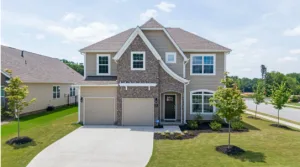
Your driveway is one of the first things people notice about your property. More importantly, it withstands years of daily traffic, changing weather, heavy vehicles, and constant exposure to the elements. Over time, even the best-built driveways begin to show signs of wear.
The good news is that you don’t always need a complete replacement. In many cases, driveway resurfacing can restore the appearance, strength, and functionality of your existing driveway while costing significantly less than installing a new one.
Knowing when to resurface can help you prevent small issues from turning into expensive structural damage. Below are the most common signs that indicate it’s time to consider driveway resurfacing.
What Is Driveway Resurfacing?
Driveway resurfacing is the process of applying a new layer of material over an existing driveway that still has a structurally sound foundation. Instead of demolishing and rebuilding the entire surface, resurfacing repairs cosmetic damage and minor surface deterioration while extending the driveway’s lifespan.
Depending on the material, resurfacing may include repairing small cracks, leveling uneven spots, and applying a fresh overlay that improves both durability and curb appeal.
For many homeowners, driveway resurfacing offers a practical balance between maintenance and full replacement.
1. Cracks Are Becoming More Noticeable
Small hairline cracks are common as driveways age. However, when cracks become wider, longer, or begin connecting with each other, they allow moisture to penetrate beneath the surface.
Water infiltration is one of the leading causes of pavement deterioration. During colder seasons, trapped moisture can freeze, expand, and make cracks significantly worse.
If your driveway has multiple surface cracks but the base remains stable, driveway resurfacing can seal the damage and restore a smooth finish before more extensive repairs become necessary.
2. The Surface Looks Worn and Faded
Years of sunlight, rain, vehicle traffic, and chemical exposure gradually wear away the top layer of your driveway.
Signs include:
- Faded color
- Rough texture
- Loss of protective coating
- Visible weathering
Although fading may seem cosmetic, it often indicates that the protective surface has deteriorated, leaving the driveway more vulnerable to future damage.
Driveway resurfacing restores the appearance while adding a fresh protective layer that helps resist future wear.
3. Small Potholes Are Starting to Form
Potholes rarely appear overnight. They usually begin as small cracks that allow water underneath the pavement. As vehicles continue driving over weakened areas, sections eventually break apart.
If the potholes are shallow and isolated, resurfacing may effectively repair the damage.
However, widespread potholes combined with significant foundation movement may require a full replacement instead. A professional inspection can determine the best solution.
4. Water Is Pooling on the Surface
A properly installed driveway should allow water to drain efficiently.
If you notice standing water after rain, it could indicate:
- Surface depressions
- Minor settling
- Uneven pavement
- Early structural wear
Pooling water accelerates deterioration because moisture continuously weakens the pavement surface.
Driveway resurfacing can often correct minor surface irregularities, improve drainage, and reduce the risk of future water damage.
5. Your Driveway Is More Than 10 to 20 Years Old
Most residential driveways have an average lifespan of:
| Driveway Material | Average Lifespan |
| Asphalt | 15–20 years |
| Concrete | 25–30 years |
Around the halfway point of their lifespan, many driveways benefit from resurfacing as preventive maintenance.
Rather than waiting until severe deterioration develops, resurfacing helps preserve the original structure and delays the need for a complete replacement.
Regular maintenance can significantly extend the service life of both asphalt and concrete driveways.
6. The Driveway Hurts Your Home’s Curb Appeal
Your driveway can account for a noticeable portion of your home’s front exterior.
If visitors notice stains, cracks, discoloration, or rough patches immediately upon arrival, it may negatively affect the property’s overall appearance.
According to real estate professionals, attractive exterior improvements often help create a stronger first impression for potential buyers.
Driveway resurfacing provides an updated, clean, and well-maintained appearance without the higher investment of complete reconstruction.
7. Repairs Are Becoming More Frequent
Occasional crack repairs are normal.
However, if you’re repeatedly patching the same areas every year, temporary fixes may no longer be cost-effective.
Common warning signs include:
- New cracks appearing after every repair
- Frequent patching
- Recurring surface damage
- Increasing maintenance costs
At this stage, driveway resurfacing offers a more permanent solution by restoring the entire surface rather than addressing isolated problems individually.
Benefits of Driveway Resurfacing
Choosing driveway resurfacing at the right time offers several advantages for homeowners.
Extends Driveway Life
Resurfacing adds years to the lifespan of your existing driveway by protecting the original structure from further deterioration.
Improves Safety
A smoother surface reduces trip hazards and creates a safer area for both pedestrians and vehicles.
Enhances Property Appearance
A freshly resurfaced driveway instantly boosts curb appeal and gives your property a cleaner, more modern look.
Costs Less Than Full Replacement
In many situations, resurfacing costs substantially less than completely removing and rebuilding a driveway because the existing base remains intact.
Faster Project Completion
Most driveway resurfacing projects can often be completed more quickly than full replacement, minimizing disruption to your daily routine.
When Resurfacing Isn’t Enough
Although driveway resurfacing is highly effective for surface-level damage, some situations require complete replacement.
You may need a new driveway if your pavement has:
- Large structural cracks
- Extensive foundation failure
- Severe sinking
- Major drainage problems
- Deep potholes throughout the surface
A professional contractor can evaluate whether the existing base is still structurally sound before recommending resurfacing.
How to Make Your Resurfaced Driveway Last Longer
After investing in driveway resurfacing, proper maintenance helps maximize its lifespan.
Some simple maintenance practices include:
- Clean oil and chemical spills promptly.
- Seal the surface when recommended.
- Avoid parking extremely heavy vehicles in the same spot continuously.
- Keep drainage areas clear.
- Repair small cracks before they expand.
Routine maintenance can help preserve both appearance and structural integrity for many years.
Final Thoughts
Recognizing the early signs of damage can save homeowners from much larger repair bills in the future. Cracks, fading, water pooling, recurring repairs, and minor potholes often indicate that driveway resurfacing is the ideal solution before structural problems develop.
If your driveway’s foundation remains in good condition, resurfacing offers an affordable way to restore its appearance, improve safety, and extend its lifespan. Scheduling an inspection at the first signs of deterioration can help you protect your investment while keeping your home’s exterior looking its best for years to come.