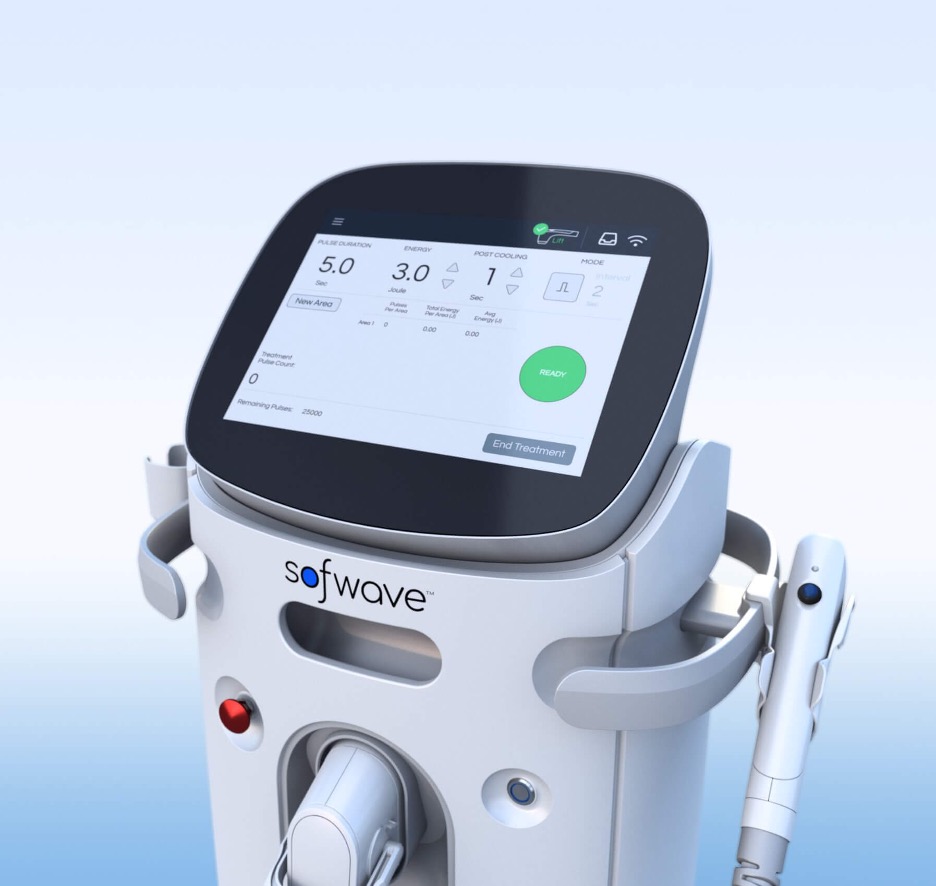
A peer-reviewed study published in the Journal of Cosmetic Dermatology (2025) has announced statistically significant improvements in the appearance of cellulite and skin laxity following treatment with synchronous parallel ultrasound technology. The findings are based on a prospective, multicenter U.S. clinical trial conducted across five investigational sites.
The study involved 60 female participants between the ages of 23 and 65. Each underwent two treatment sessions targeting the thighs and buttocks. The outcomes were evaluated three months after the final session using standardized tools, including the Global Aesthetic Improvement Scale (GAIS), Cellulite Severity Scale (CSS) and Laxity Scale (LS), along with blinded physician assessments and patient-reported feedback.
Results showed that 91% of treated areas had visible improvement based on blinded GAIS assessments. Researchers also recorded an average 69% reduction in cellulite severity and a 53% improvement in skin laxity compared with baseline, supporting the role of ultrasound in skin tightening treatments.
Patient feedback was largely positive, with 73% reporting satisfaction with their results. No serious or unexpected adverse events were observed. Treatment-related effects, when they did occur, were described as mild to moderate and temporary.

Taken together, the findings add to a growing base of peer-reviewed research supporting non-invasive ultrasound approaches in aesthetic medicine. Interest in these treatments has been building, especially as more patients look for options that do not involve surgery or extended recovery time.
Sofwave, the medical aesthetics company behind the technology, said the use of blinded evaluators and standardized scoring methods helps provide “an objective framework for assessing treatment outcomes in a clinical setting.”
Demand for non-surgical aesthetic treatments continues to rise. Much of that interest is coming from individuals trying to address concerns like loose skin after weight loss or changes in skin texture following rapid fat reduction.
Those concerns have become more noticeable alongside the rise of GLP-1 medications. Some patients report visible shifts in skin quality, often referred to as “ozempic legs,” including increased laxity and more pronounced cellulite, particularly in the thighs and buttocks.
Independent dermatology experts say the findings reflect a broader shift toward clinically validated, non-invasive technologies. Dr. Elaine Torres, a board-certified dermatologist not affiliated with the study, said controlled trials and blinded assessments remain essential when evaluating newer treatments.
“Peer-reviewed data is essential for distinguishing between anecdotal outcomes and clinically meaningful results,” Torres said. “Energy-based devices, including ultrasound, are increasingly being studied for their ability to stimulate collagen remodeling, which plays a role in improving skin texture, elasticity, and skin tightening.”
The study also highlights the role of collagen structure in skin appearance. Aging, genetics and rapid weight loss can reduce skin elasticity, often leading to visible laxity and cellulite. Educational materials note that changes in collagen and elastin levels are a key contributor to loose skin after weight loss, particularly when weight is lost quickly or in larger amounts.
Recent analyses of GLP-1-related weight loss point to a similar pattern. Rapid fat reduction can make underlying skin irregularities more noticeable, especially in the thighs and buttocks. That shift has helped drive interest in non-invasive treatments that target both surface texture and deeper structural support.
“The growing demand for non-invasive solutions reflects patient preference for treatments with minimal downtime and established safety profiles,” the spokesperson added. “Peer-reviewed research continues to play an important role in helping both providers and patients make informed decisions.”
The authors concluded that synchronous parallel ultrasound technology demonstrated both efficacy and safety within the scope of the trial. At the same time, they noted that further research will be needed to better understand long-term outcomes across broader populations.
About Sofwave
Sofwave is a medical aesthetics company focused on developing non-invasive, energy-based technologies designed to address skin concerns through ultrasound-based solutions. Its platform is used by healthcare providers worldwide in both clinical and aesthetic settings.
The company’s research and development efforts are centered on advancing clinically evaluated technologies supported by peer-reviewed studies and standardized treatment protocols.
Sofwave is a registered trademark.
Media Contact
Company Name: Sofwave
Contact Person: Bella
Email: Send Email
Country: United States
Website: https://www.sofwave.com