
In an age dominated by smart devices and disposable technology, a growing number of collectors, historians, and design enthusiasts are rediscovering the quiet magic of mechanical timekeeping. At the center of this revival stands Watch Museum, an online destination devoted to preserving, studying, and sharing some of the world’s most remarkable antique and vintage pocket watches.
More than simply a marketplace, Watch Museum functions as a living archive of horological heritage — a place where craftsmanship, engineering, and history converge. Its carefully curated collection spans centuries of innovation, offering visitors the opportunity to explore authentic mechanical timepieces from the earliest days of portable clocks through the refined elegance of twentieth-century watchmaking.

A Journey Through the Evolution of Timekeeping
Pocket watches occupy a unique position in human history. Emerging in Europe during the sixteenth century, they represented a radical shift: time became personal, portable, and precise. Over generations, these instruments evolved from rudimentary spring-driven mechanisms into highly sophisticated machines capable of remarkable accuracy.
Watch Museum reflects this progression through a diverse selection of original watches, including early verge fusee examples, classic English lever movements, finely finished Swiss designs, and later precision models created for railway, military, and professional use. Each piece tells its own story — not only of its maker, but of the era that shaped it.
Visitors can trace changing aesthetics across centuries: ornate engraved cases, enamel dials, hand-blued steel hands, and the gradual transition from decorative excess to restrained modernism. Together, these watches form a tangible timeline of technological and artistic development.
Craftsmanship That Endures
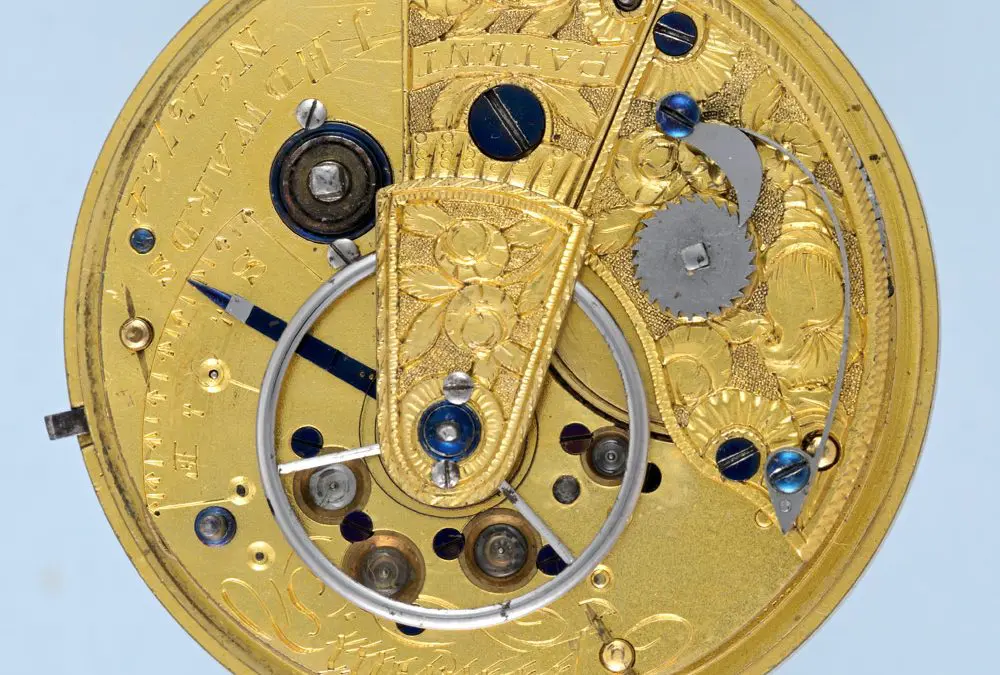
What distinguishes antique pocket watches from modern mass-produced devices is their extraordinary level of hand craftsmanship. Every movement represents hours — often months — of skilled labor. Tiny gears were cut by hand, jewels set individually, and bridges polished to a mirror finish. Even functional components were treated as works of art.
At Watch Museum, each watch is carefully inspected and, when appropriate, sympathetically serviced to ensure it remains both historically authentic and mechanically sound. The goal is preservation rather than alteration: maintaining original parts whenever possible and respecting the integrity of each timepiece.
This approach allows collectors not merely to own an antique object, but to experience a fully functioning piece of history — a mechanical companion that still measures time exactly as it did generations ago.

Education at the Core
A defining feature of Watch Museum is its commitment to education. Alongside its collection, the platform provides extensive written resources in Watch Museum Magazine:
-
the fundamentals of mechanical watch movements
-
historical backgrounds of major watchmaking periods
-
guidance on identifying authentic antique pieces
-
care and maintenance for mechanical watches
-
explanations of complications, escapements, and case styles
These materials serve both newcomers and experienced collectors, demystifying horology while deepening appreciation for its technical and cultural dimensions.
By making this knowledge openly accessible, Watch Museum helps preserve not only physical artifacts, but also the understanding required to value them properly.
From Heirlooms to Collectibles
For many owners, antique pocket watches carry deep emotional significance. Some arrive at Watch Museum as family heirlooms, passed down through generations. Others are discovered by collectors seeking a specific maker, era, or movement type.
Each watch is documented with clear descriptions and imagery, emphasizing transparency and historical context. Rather than treating timepieces as anonymous commodities, Watch Museum presents them as individual narratives — objects shaped by human hands and human lives.
This philosophy resonates with a global audience increasingly drawn to meaningful possessions: items that embody permanence in a transient world.

A Global Community of Horology Enthusiasts
Operating entirely online, Watch Museum connects collectors and enthusiasts across continents. Through international shipping and accessible digital presentation, the Museum has become a gathering point for people united by respect for mechanical artistry and historical continuity.
Whether someone is acquiring their first pocket watch or adding a rare piece to an established collection, the experience emphasizes trust, documentation, and long-term stewardship.
The Museum’s growing international reach reflects a broader cultural shift — a renewed interest in analog craftsmanship, repairability, and objects built to last.
Why Antique Pocket Watches Matter Today
Beyond their beauty, antique pocket watches represent a philosophy largely absent from modern manufacturing: durability, repairability, and respect for materials. These watches were designed to be serviced indefinitely, not discarded after a few years.
In this sense, they offer a powerful counterpoint to contemporary consumer culture. Each ticking movement is a reminder that technology once prioritized longevity over convenience, and mastery over speed.
For collectors, historians, and design thinkers alike, these timepieces provide insight into how societies once balanced innovation with craftsmanship — lessons that remain strikingly relevant.
A Living Archive of Time
Watch Museum continues to expand its collection and educational resources, guided by a simple mission: to honor the legacy of mechanical timekeeping and make it accessible to a modern audience.
Every watch preserved, documented, and shared becomes part of a larger story — one that bridges centuries of ingenuity and connects today’s collectors with the artisans of the past.
As digital clocks silently refresh themselves in the background of daily life, the steady beat of a mechanical pocket watch offers something profoundly different: an audible reminder of time’s passage, powered by springs, gears, and human skill.
To explore the collection and learn more about the heritage of antique pocket watches, visit WatchMuseum.org
Media Contact
Company Name: Antique Watches Limited
Contact Person: Press Team
Email: Send Email
Address:39 Ludgate Hill
City: London
Country: United Kingdom
Website: https://watchmuseum.org/